Theme of the Session: Understanding the Mumbai local train network, with all its stations and routes.
Therapeutic goals of the Session: Memorization, Sequencing, Mindfulness, Group Work, symbol recognition.
Time: 2 hours (depending on children’s attention span; the session can be divided into two parts)
Space and Material Preparation:
Two colored papers: one for writing station names and one for making railway tracks, Glue, black pens
Note: This session was conducted at an institute in Mumbai, so we used stations of Mumbai local trains. Adjust your material based on your location, such as bus stops, area names, or railway stations.
Warm and Topic Introduction:
The session began with an introduction to Mumbai trains.
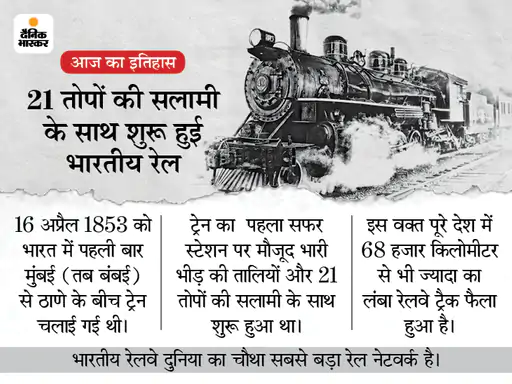 हर रोज 2.5 करोड़ से भी ज्यादा यात्रियों को उनकी मंजिल तक पहुंचाने वाली भारतीय ट्रेनों के लिए आज का दिन बेहद अहम है। आज ही के दिन देश में पहली बार ट्रेन चलाई गई थी। 16 अप्रैल 1853 के दिन इस ट्रेन को बंबई (मुंबई) के बोरीबंदर (छत्रपति शिवाजी टर्मिनल) से ठाणे के बीच चलाया गया था। ट्रेन ने 35 किलोमीटर का सफर बिना किसी परेशानी के पूरा कर लिया था। इसे एक बड़ी उपलब्धि के तौर पर माना जाता है। ट्रेन में 20 डिब्बे थे जिनमें करीब 400 यात्री सवार थे। ट्रेन दिन के 3 बजकर 35 मिनट पर बोरीबंदर (छत्रपति शिवाजी टर्मिनल) से रवाना हुई और 4 बजकर 45 मिनट पर ठाणे पहुंची। ट्रेन को चलाने के लिए ब्रिटेन से 3 इंजन मंगवाए गए थे।
पहले सफर से अब तक का सफर
भारत में पहली ट्रेन की पहली यात्रा को आज 168 साल हो गए है। इतने सालों में भारतीय रेल के विकास ने कई उपलब्धियों को छुआ है। पूरे देश में पटरियों का 68 हजार किलोमीटर से भी ज्यादा का लंबा ट्रैक फैला हुआ है। भारतीय रेलवे दुनिया का चौथा सबसे बड़ा रेल नेटवर्क है। 1 मार्च 1969 को देश की पहली सुपरफास्ट ट्रेन ब्रॉडगेज लाइन पर दिल्ली से हावड़ा के बीच चलाई गई। इस समय दुनिया के सबसे ऊंचे रेल पुल का काम चिनाब नदी पर पूरा होने को है। पूरी तरह बनने के बाद इसकी ऊंचाई पेरिस के एफिल टॉवर से भी ज्यादा होगी।
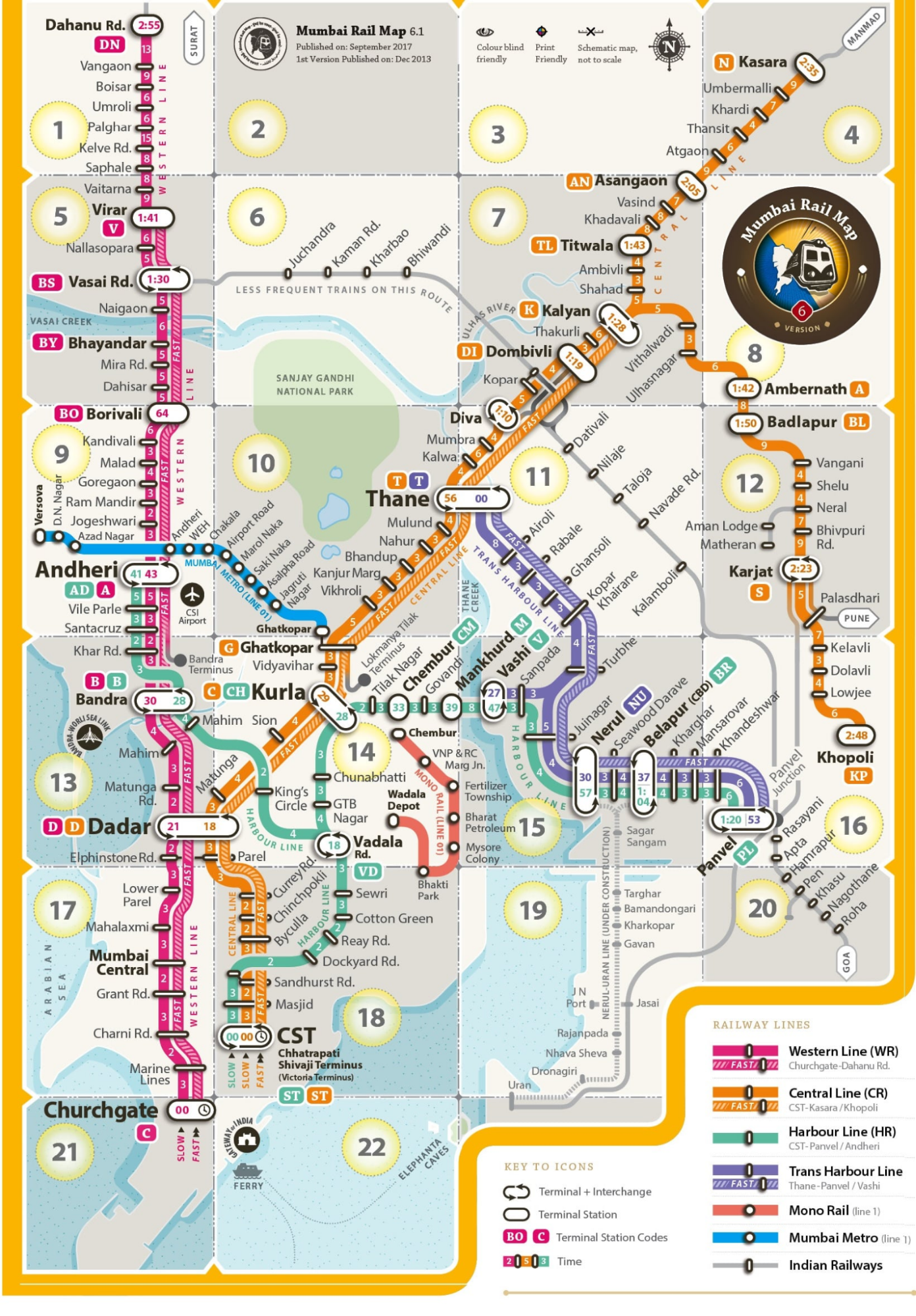
Warm up and Topic Introduction:
1st Part
After familiarizing themselves with the Mumbai railway map, the boys were grouped according to the different railway lines: Central Line, Western Line, Harbor Line, and Trans Harbor Line. Each group was provided with materials and instructions to create a chart depicting their assigned railway line in the correct sequence. Adequate time was given for completion.
2nd Part
Once the groups completed their charts, they were asked to form a queue and verbally list the stations in sequence. Every child will say their station standing in queue. Finally each group member should remember every station.
3rd Part
In this part, the facilitator can discuss major stations where multiple lines intersect, as well as stations for long-distance trains. Questions may include how to travel from one line’s station to another, such as from Borivali to Panvel, and exploring different train routes.
Closure: Discussion on:
- What skills are necessary to operate such a complex railway network?
- What qualities can we learn from this entire project?