Beyond the Uniform: A Day to Learn, Laugh and Connect

The Integrated Child Development Services (ICDS) plays an important role in supporting the development and well-being of young children and families through its network of Anganwadi centres and frontline workers. At the heart of this work are the Sevika, who engage closely with children, young mothers, families and communities as part of their everyday responsibilities.

Recognising the importance of their role and the need to create spaces for their own professional and personal development, Seedling foundation organised a Leadership and Personality Development Training for the Main Sevika and Nodal Anganwadi Sevika (Supervisors) from the Mulund region based on a request from Bhavsar sir.

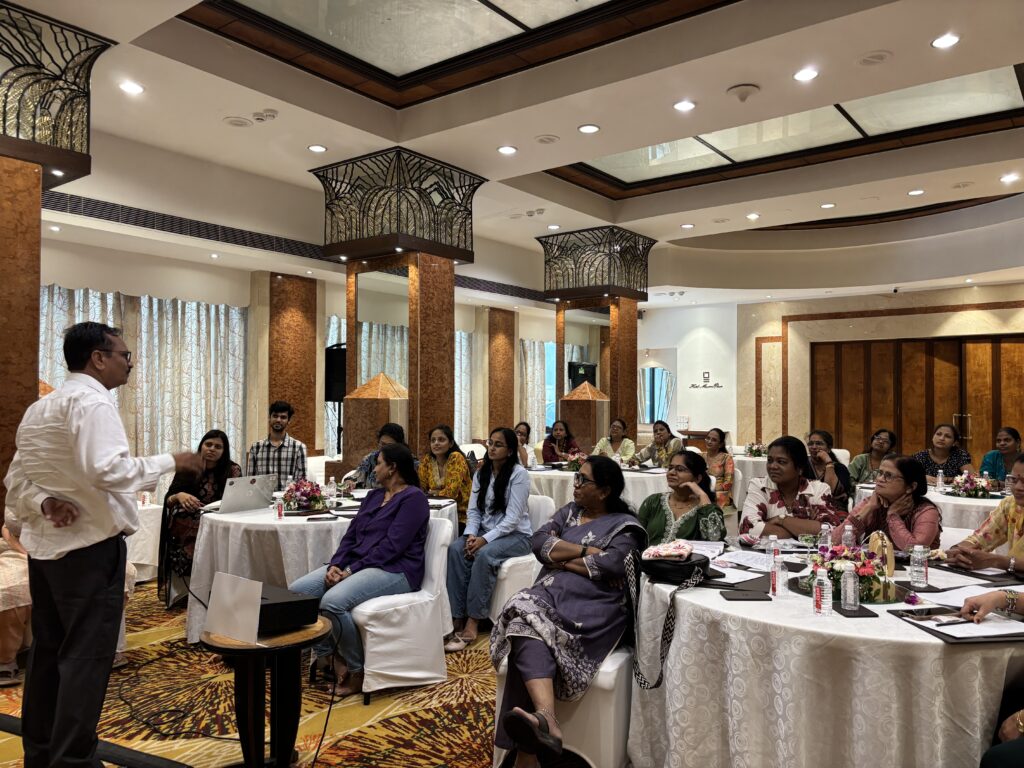
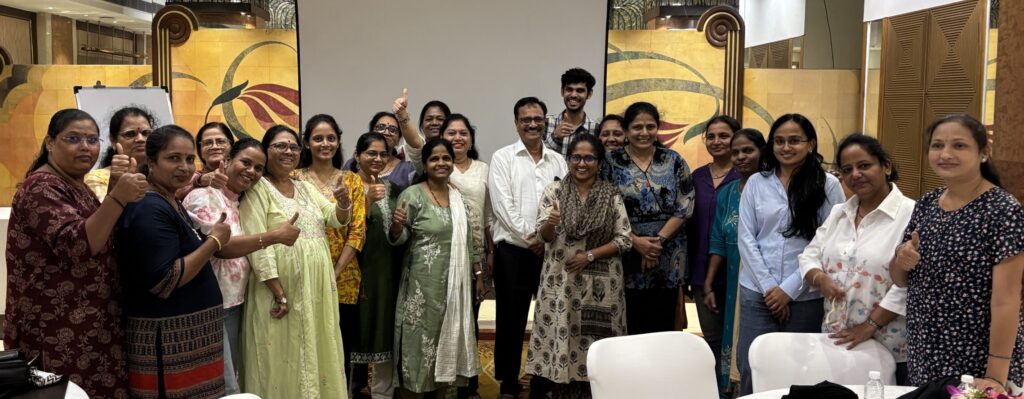
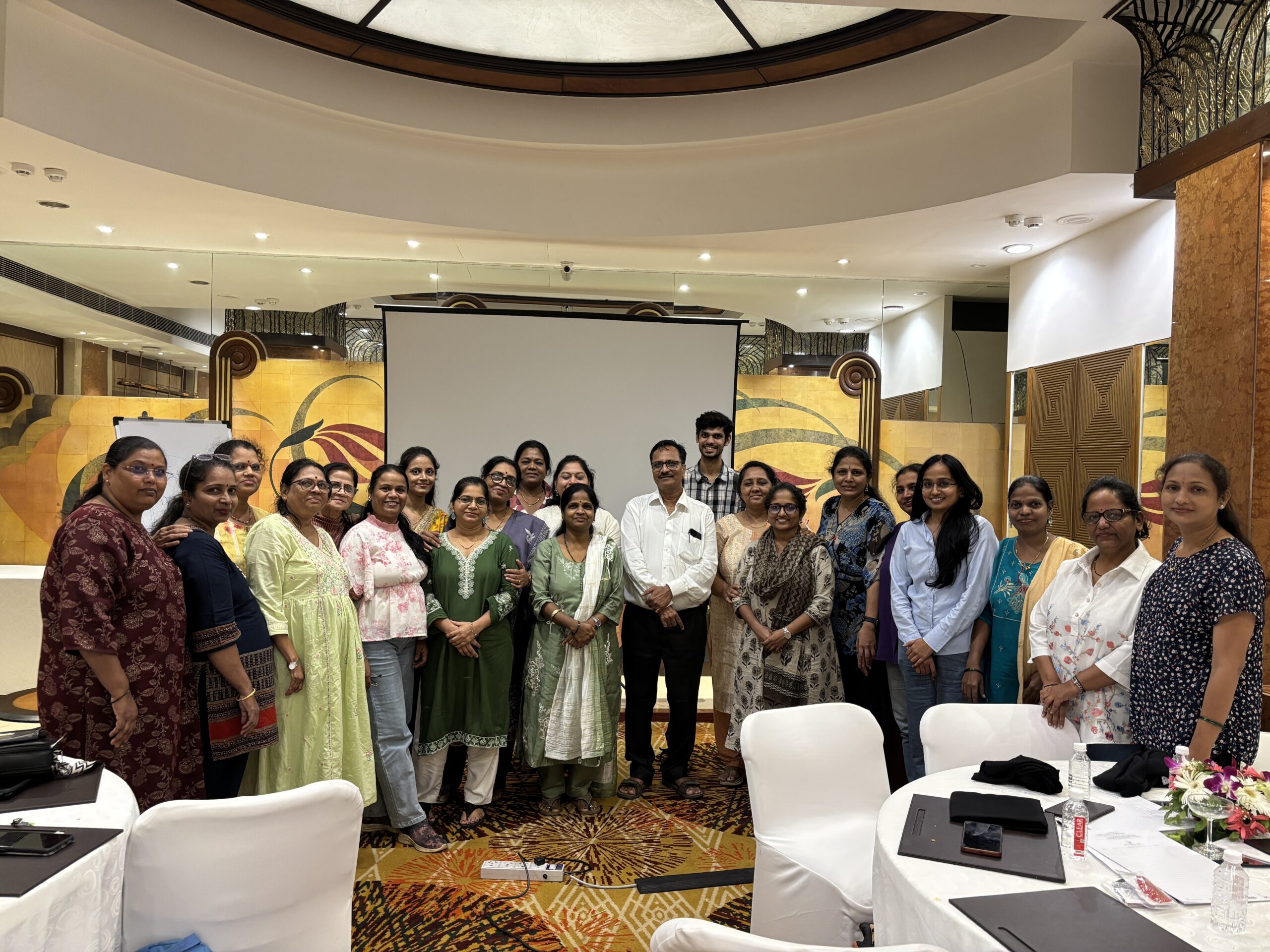
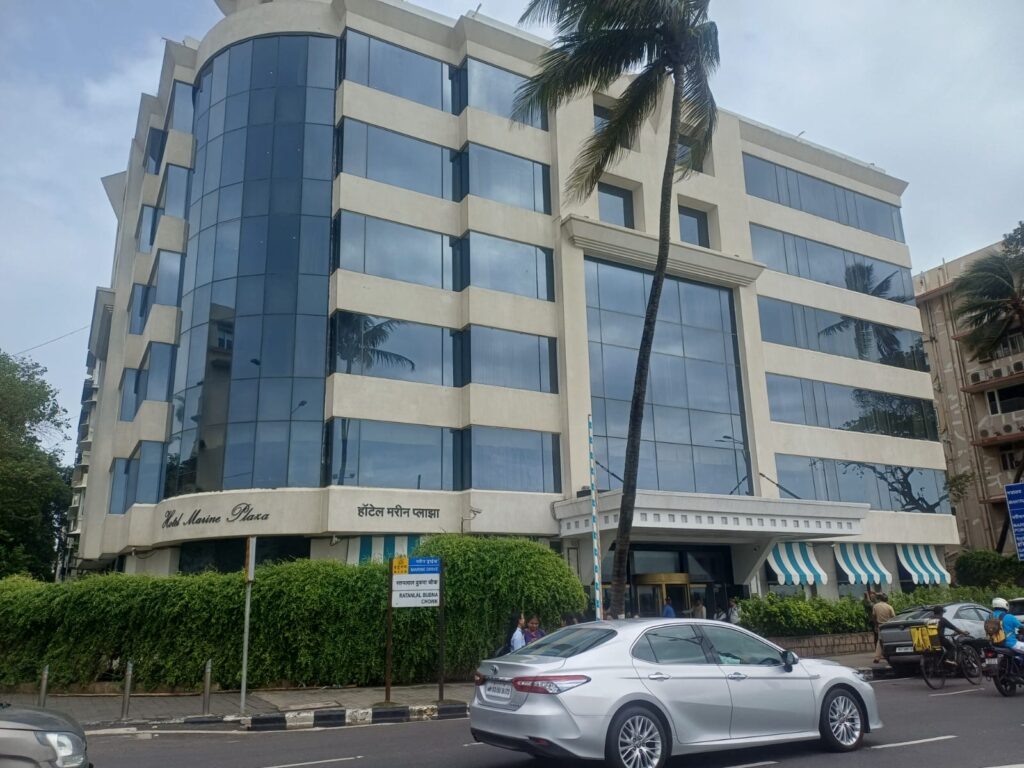
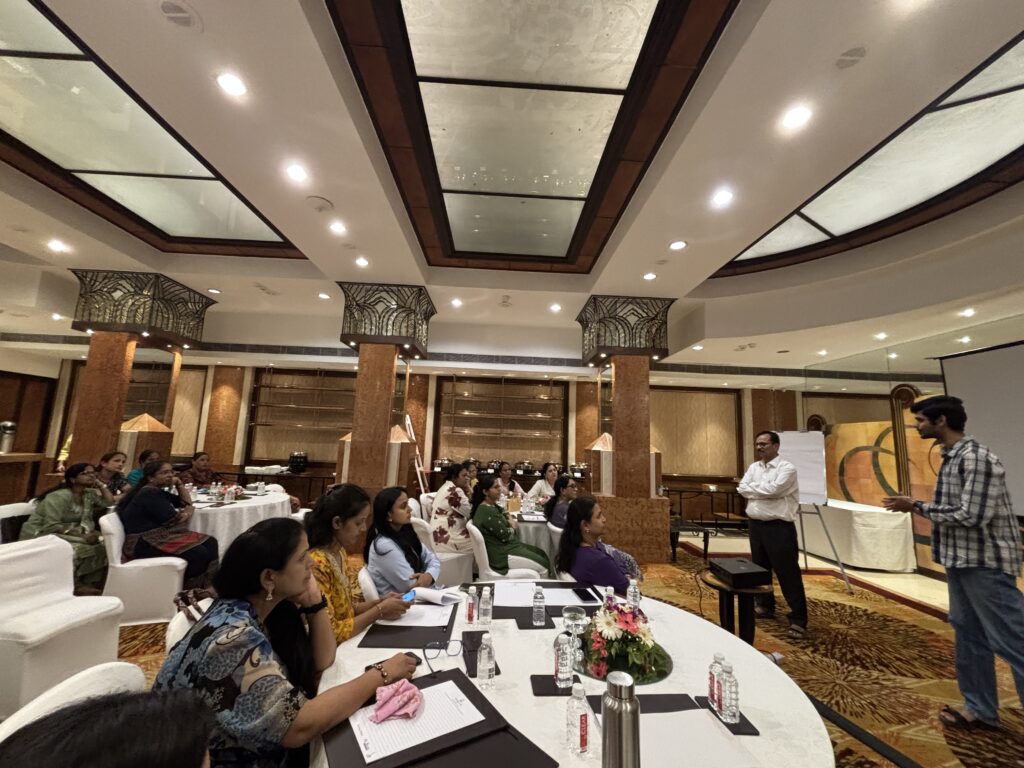
Held on 7th August 2026 at Marine Plaza Hotel, Mumbai, the session brought together 17 participants for a day that explored leadership, communication, workplace relationships and the value of their work.

But as the day unfolded, it became clear that the gathering was about more than learning concepts and developing skills. It became an opportunity to step away from everyday routines, share experiences, laugh together and spend time in a space where their own voices and contributions could be recognised. And perhaps, that was where the real experience of the day began.

Beyond the Training Room: A Day of Learning, Laughter and Recognition

When the training was planned for the Leadership and Personality Development for the ICDS Sevika of Mulund Urban, we knew the day would be about learning. What we did not fully anticipate was how much it would also become about stepping away from routine, reconnecting with one another, and creating a little space for the women who spend their days caring for others.

They came from different parts of the region, some travelling nearly 30–35 kilometres to reach the venue. For many, attending the session meant beginning their day earlier than usual — completing household responsibilities, managing the morning routine and then making their way through Mumbai’s crowded local trains.

By the time they reached the venue, however, what we saw was not tiredness. It was excitement.


A Day That Felt a Little Different

The location itself seemed to add something special to the day. The venue was a 5 star hotel, in front of Marine Drive. The sea breeze, the view and the feeling of being away from their usual surroundings created an excitement that was visible from the beginning.

There was another small detail that seemed to matter. For the day, there was no uniform saree to wear. They could choose what they wanted to wear. It sounded  like a small thing, but sometimes small freedoms make a day feel different. For women who regularly attend official meetings and programmes in their work attire, having the opportunity to dress according to their own choice seems to bring a sense of ease and happiness. Perhaps that was why the morning did not feel like just another official programme.

After breakfast, everyone settled in, carrying with them the usual thoughts of work, home and responsibilities. Then the session began with a prayer.


Beginning With a Moment of Pause
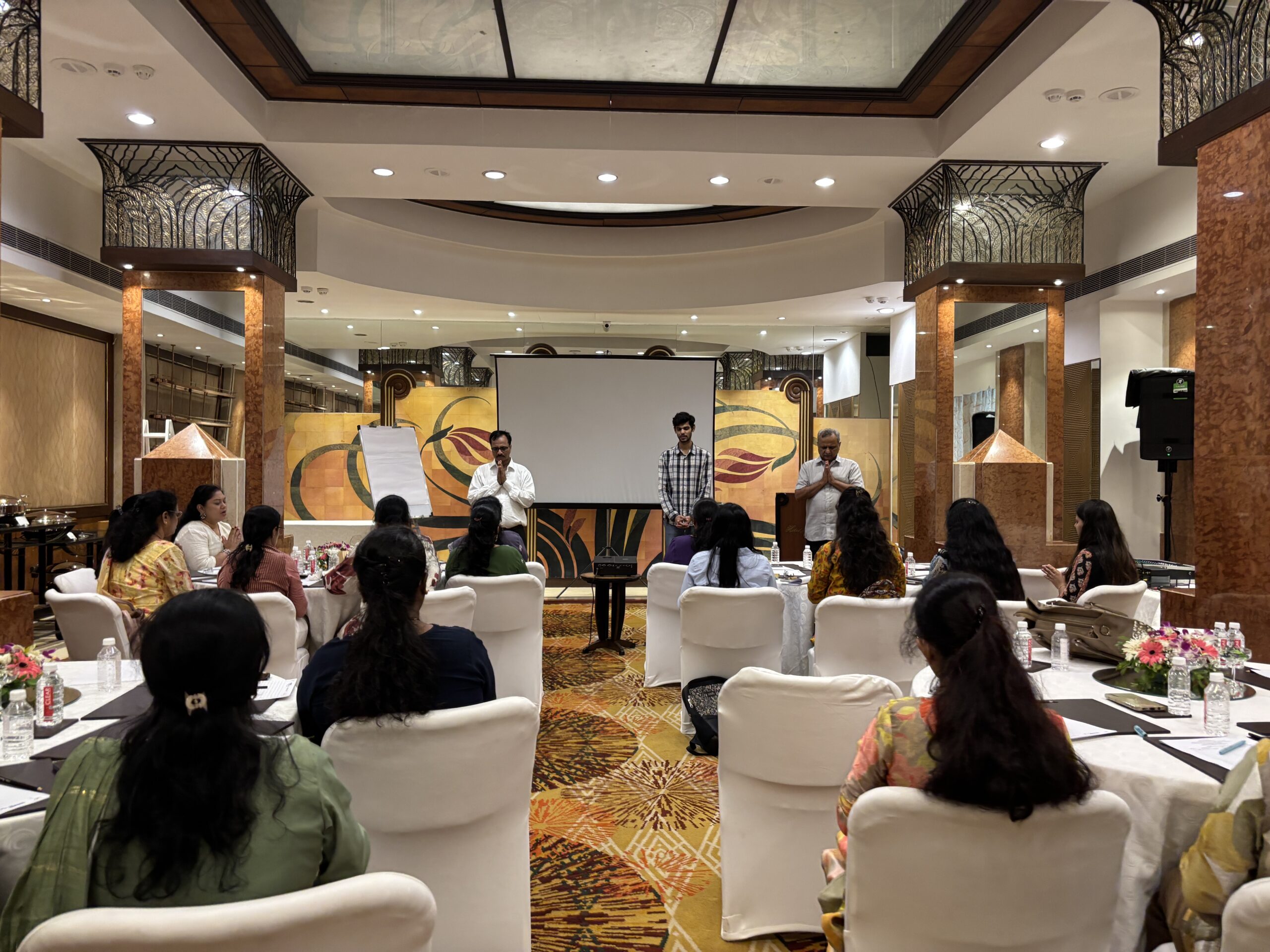
The familiar words of “Itni Shakti Hamein Dena Data, Mann Ka Vishwas Kamzor Ho Na…” filled the room.

The prayer offered something simple but important, a pause. The room gradually became quieter and more present. It was a gentle beginning to a day that would move between reflection, learning and plenty of laughter.
Remembering The Value of The Work

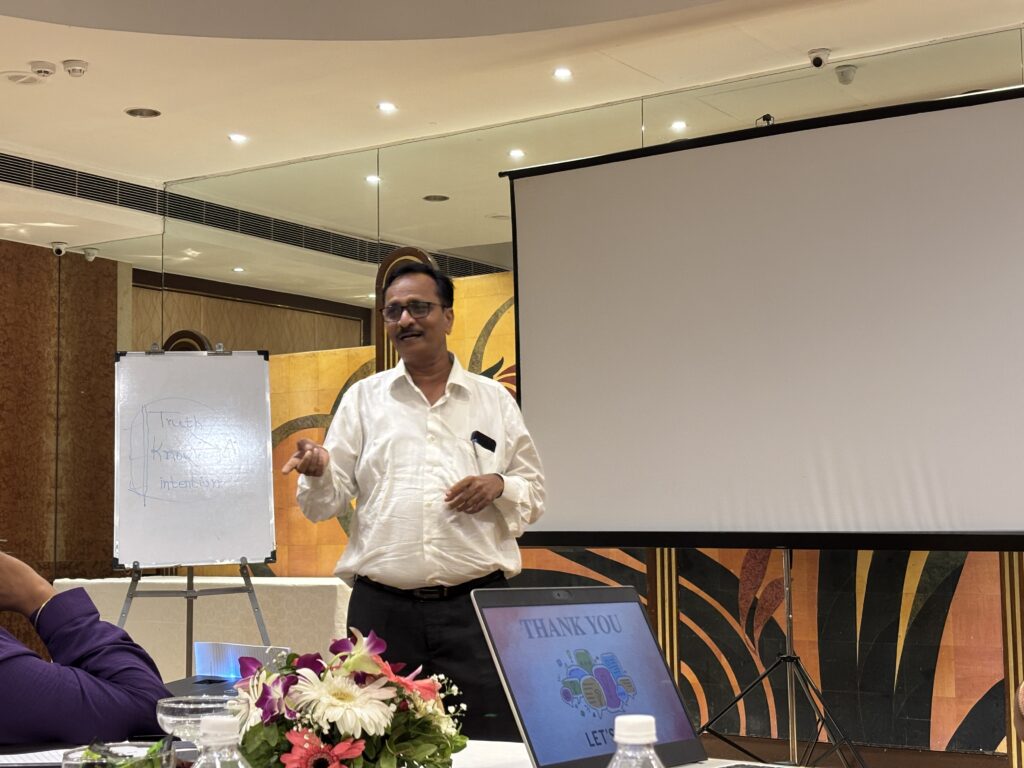
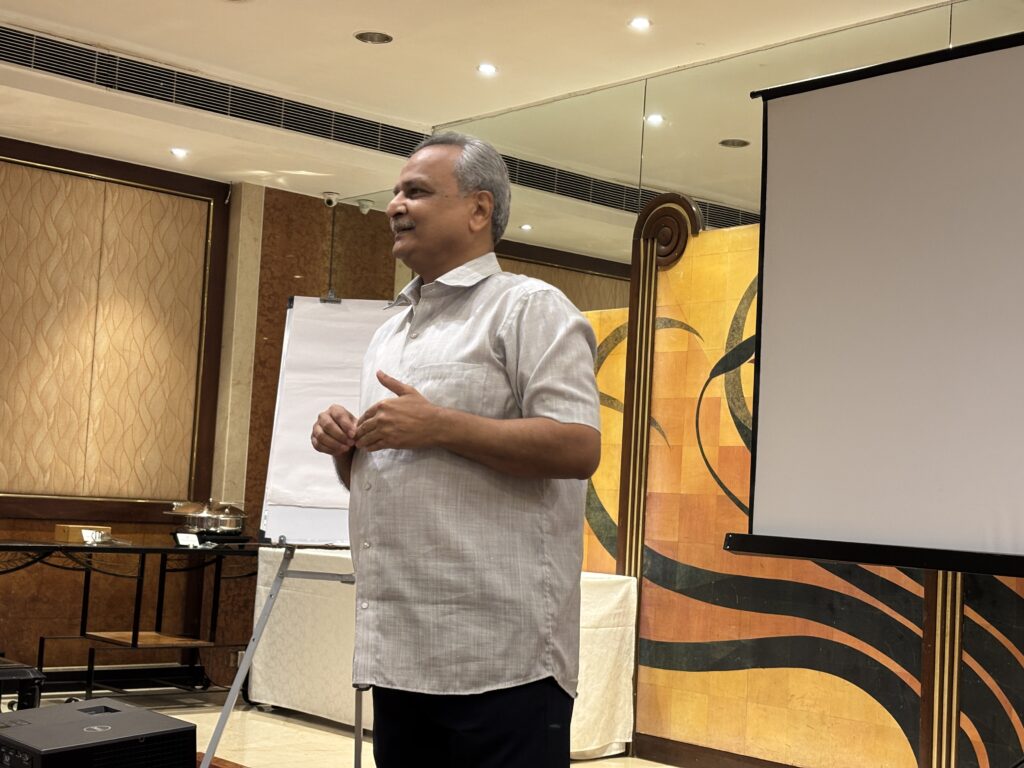
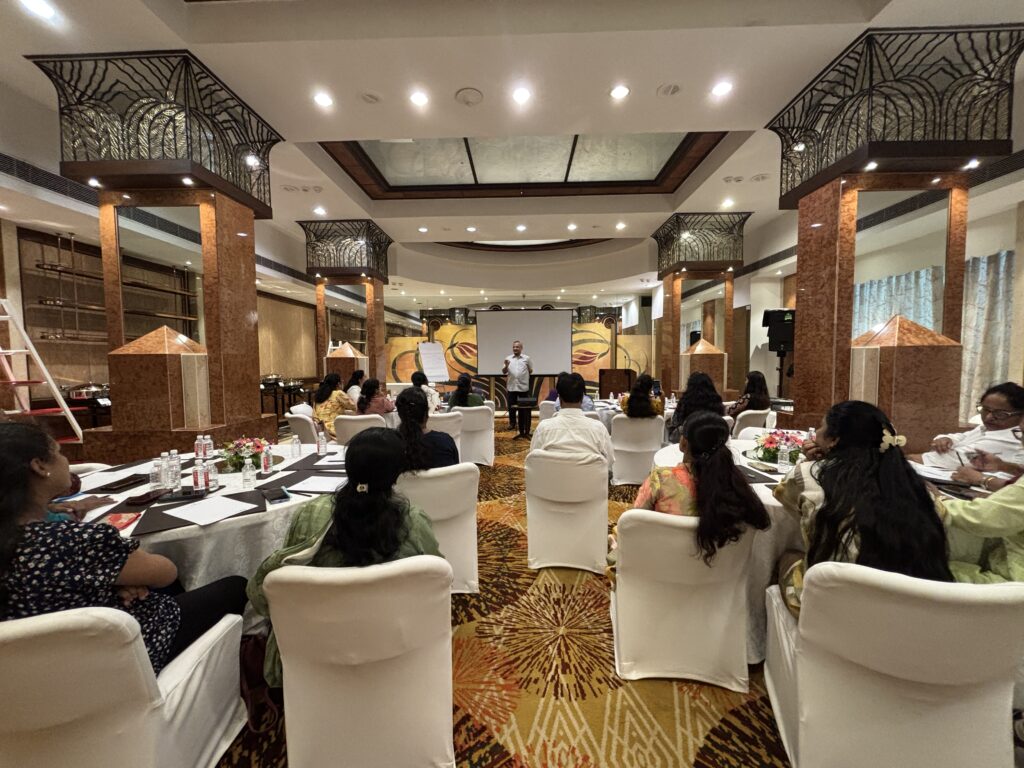
The first session, facilitated by Nimesh Sir, from Caring Friends focused on something fundamental: why the work of an ICDS Sevika matters. Through stories, experiences and conversations, he spoke about the importance of ICDS workers in early childhood development and in supporting children and families.

The discussion brought attention to something that can easily get lost in everyday work — the value of one’s own contribution. When responsibilities become routine, it is possible to focus so much on completing the work that we forget to pause and ask why that work matters. The session encouraged the participants to reconnect with that purpose. 

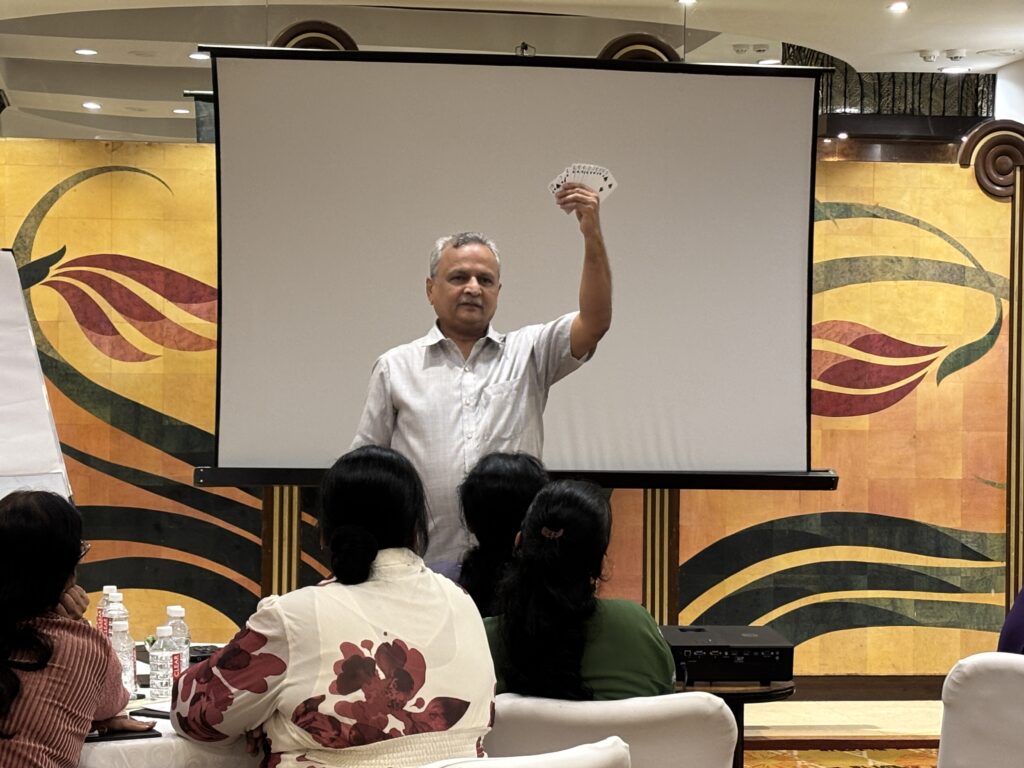
Then came an unexpected change of mood!!… Toothpicks, elastic bands and cards appeared.

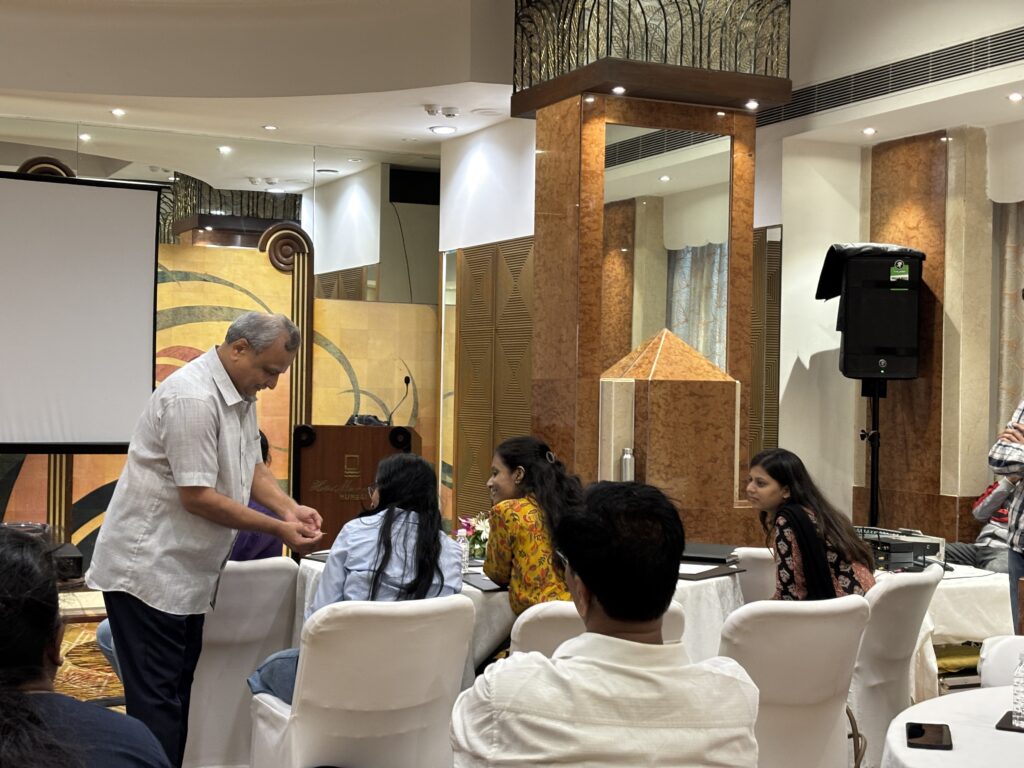
Nimesh Sir began performing Magic tricks.

The room quickly filled with laughter, curiosity and guesses about how the tricks were being done. The participants watched closely, tried to uncover the secrets and enjoyed the surprise of not knowing what would happen next.

It was more than an entertaining break. It changed the energy of the room.

A formal training space became lighter, warmer and more comfortable. The participants were now reacting, laughing and enjoying the moment together.

When Communication Became Something We Could See

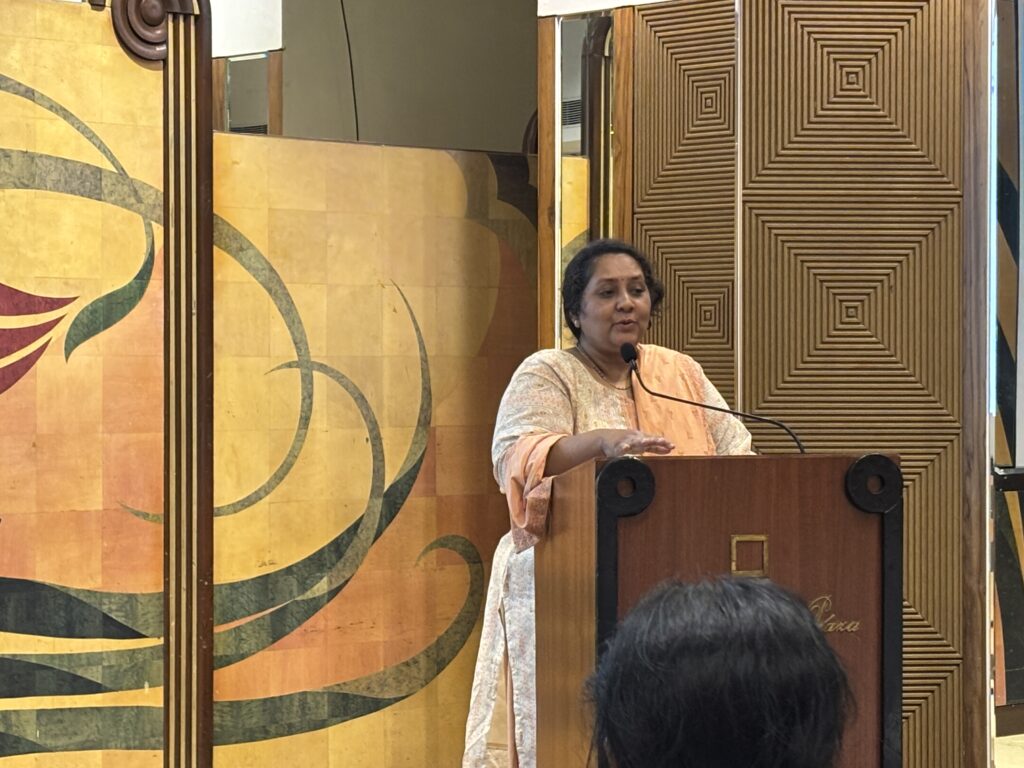
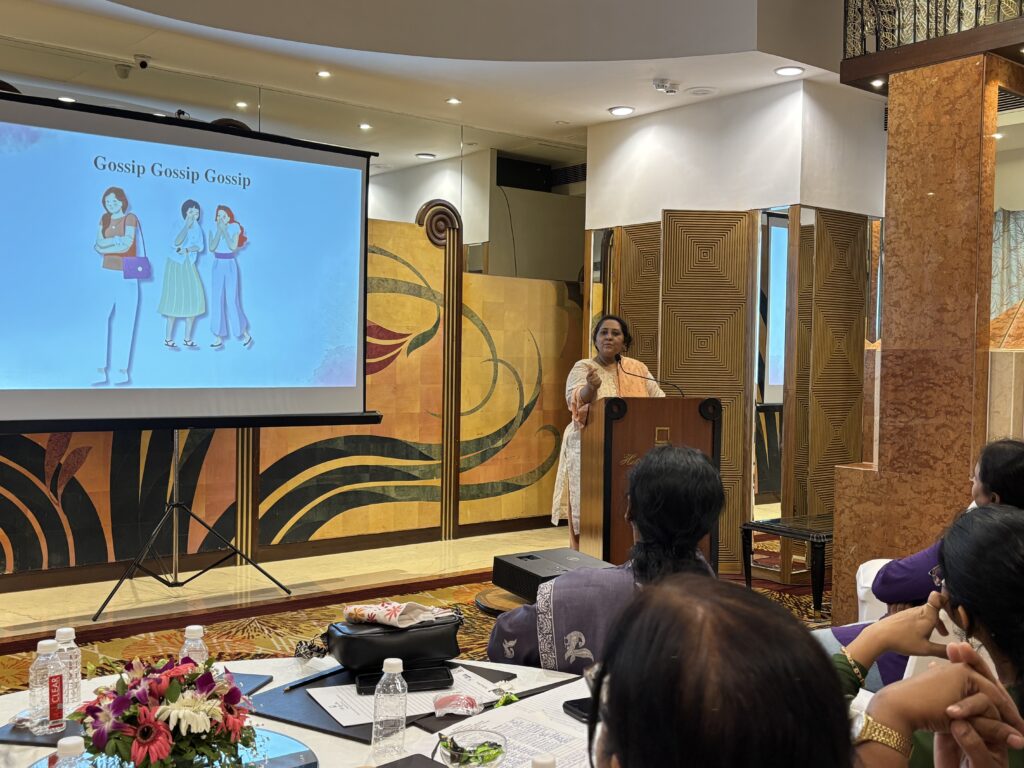
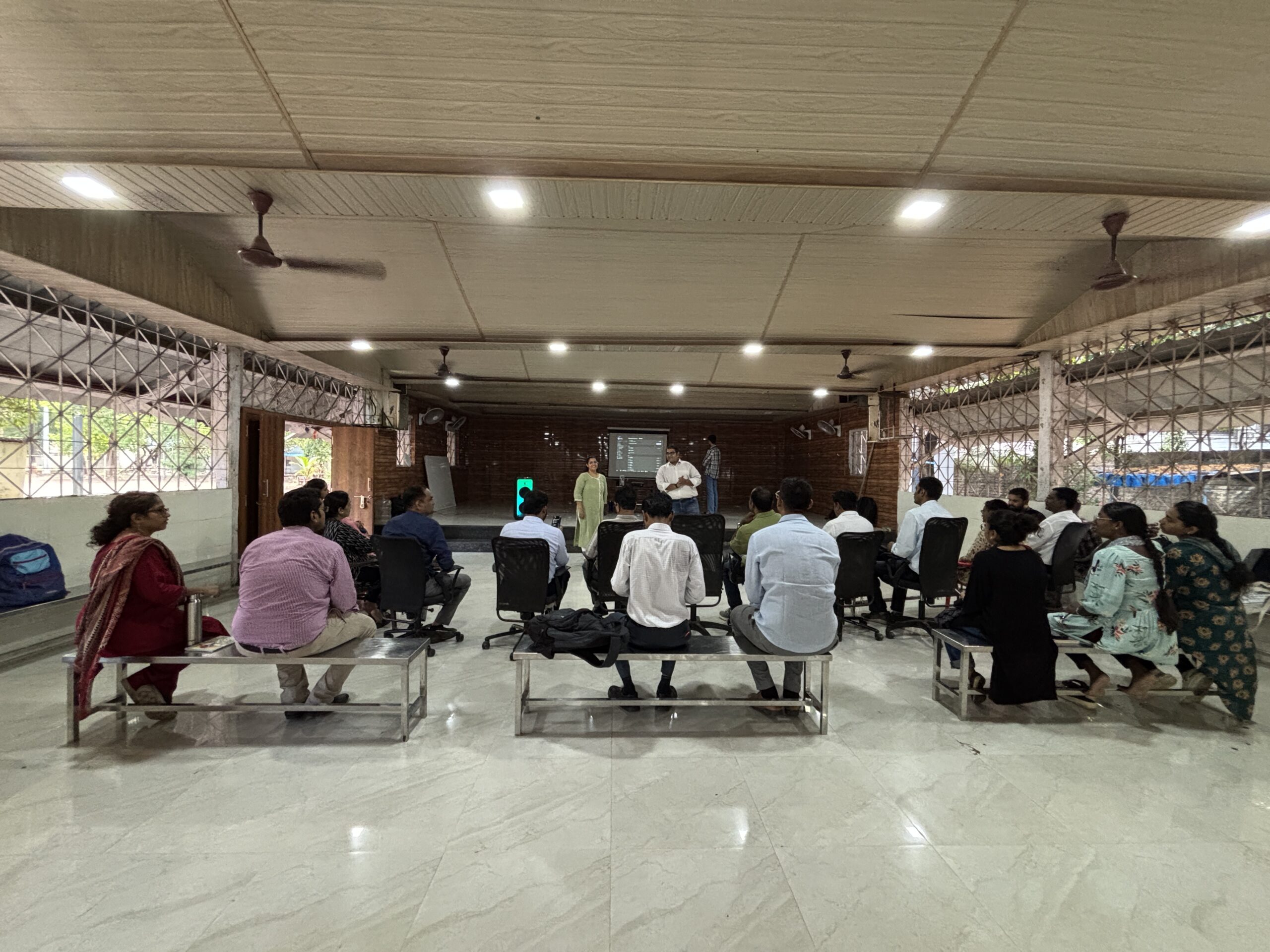
The next session, facilitated by Mrs. Trupti, explored personality development and communication.

The session was conducted in Marathi, allowing the participants to express themselves comfortably and connect the discussion with their everyday experiences.

One of the concepts explored was the Ego States from Transactional Analysis, the Parent, Adult and Child states.

Rather than keeping the concept theoretical, the discussion brought it into familiar situations.

The Critical Parent – judgemental, moralistic and authoritarian.

The Nurturing Parent – reassuring, caring, encouraging and supportive.

The Adult – open-minded, interested, confident, reality-based and non-judgemental.

And the different Child states – rebellious, adapted and free.

As the examples unfolded, the concepts began to sound less like psychological terminology and more like conversations the participants had experienced themselves.

A discussion about communication became a discussion about everyday life. How we speak to colleagues, how we respond when we are frustrated, how we communicate at home, and how quickly a conversation can become an argument when both people are reacting rather than listening.

The idea of Adult-to-Adult communication offered a simple but meaningful alternative: listen, understand, communicate maturely and work towards a solution.

When Learning Turned Into Laughter

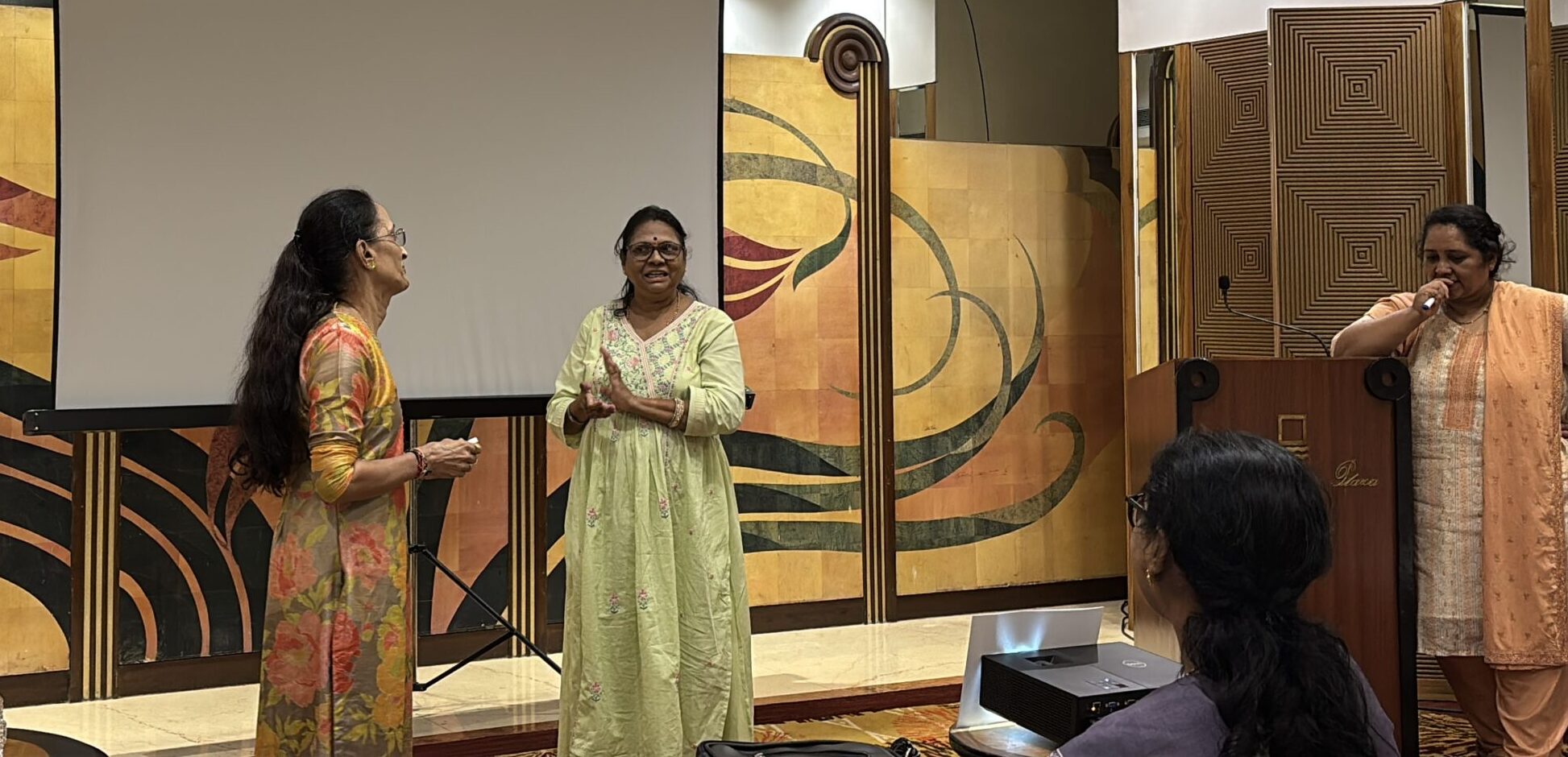
The communication session followed by a role play where the participants were divided into groups for role plays.

They enacted different communication patterns, Critical Parent with Rebellious Child, Adult-to-Adult, Nurturing Parent with Adopted Child and others. The hall soon filled with laughter.

Participants added their own expressions and experiences to the situations. Some role plays became especially relatable because they reflected conversations and challenges they had encountered in their own lives.

This was one of the moments that stayed with us. The theory was no longer something being explained from the front of the room. It was being acted out, questioned, recognised and experienced. The participants were learning from one another as much as from the facilitator. The conversation also moved towards workplace gossip and the responsibility that comes with communicating information about others. The participants reflected on how unverified information can affect relationships and why it is important to think before passing something on.

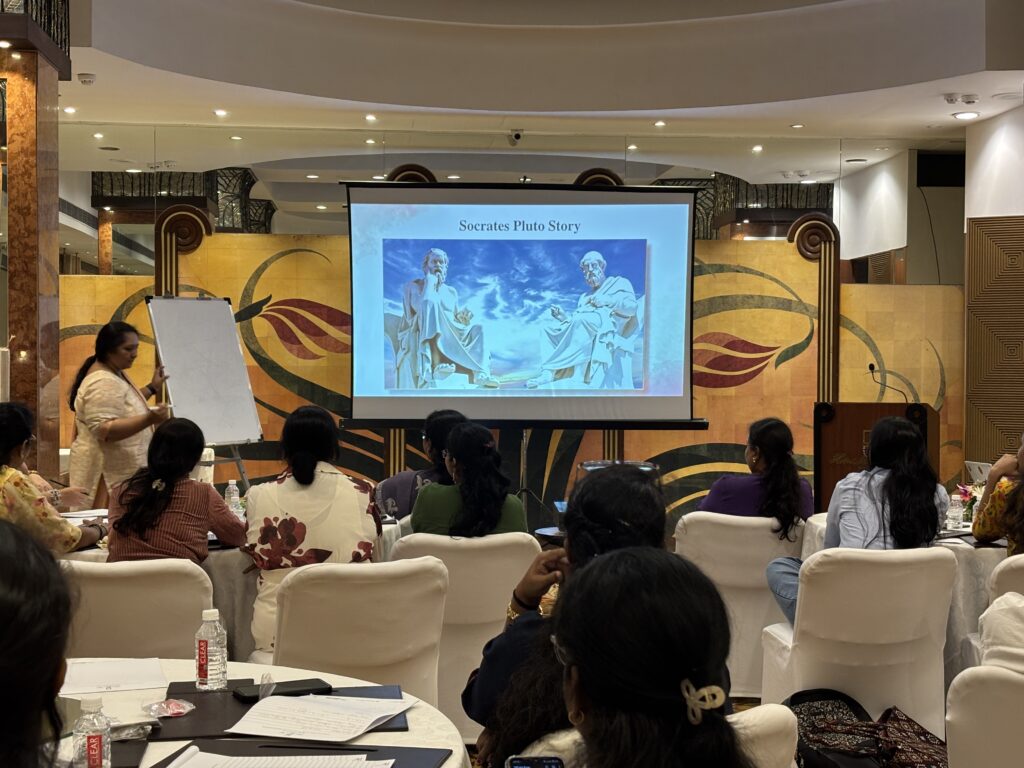
The session concluded with the story of Socrates and Plato, leaving the group with a simple reminder about being thoughtful about what we hear, what we believe and what we choose to pass forward.

A Different Kind of Afternoon

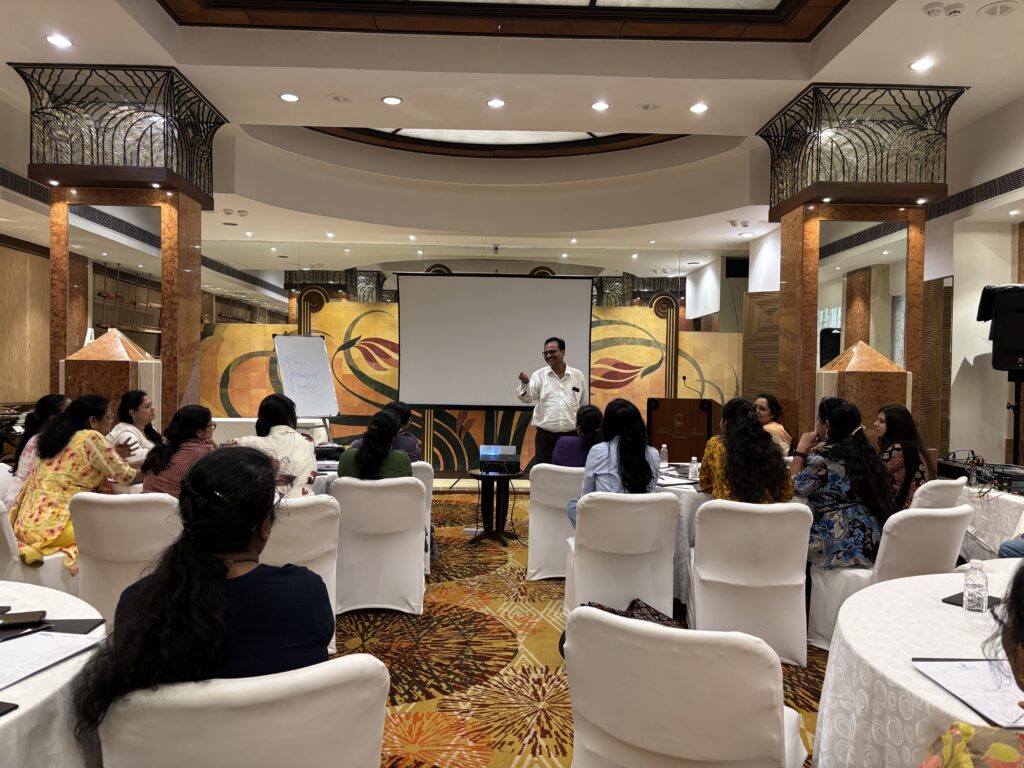
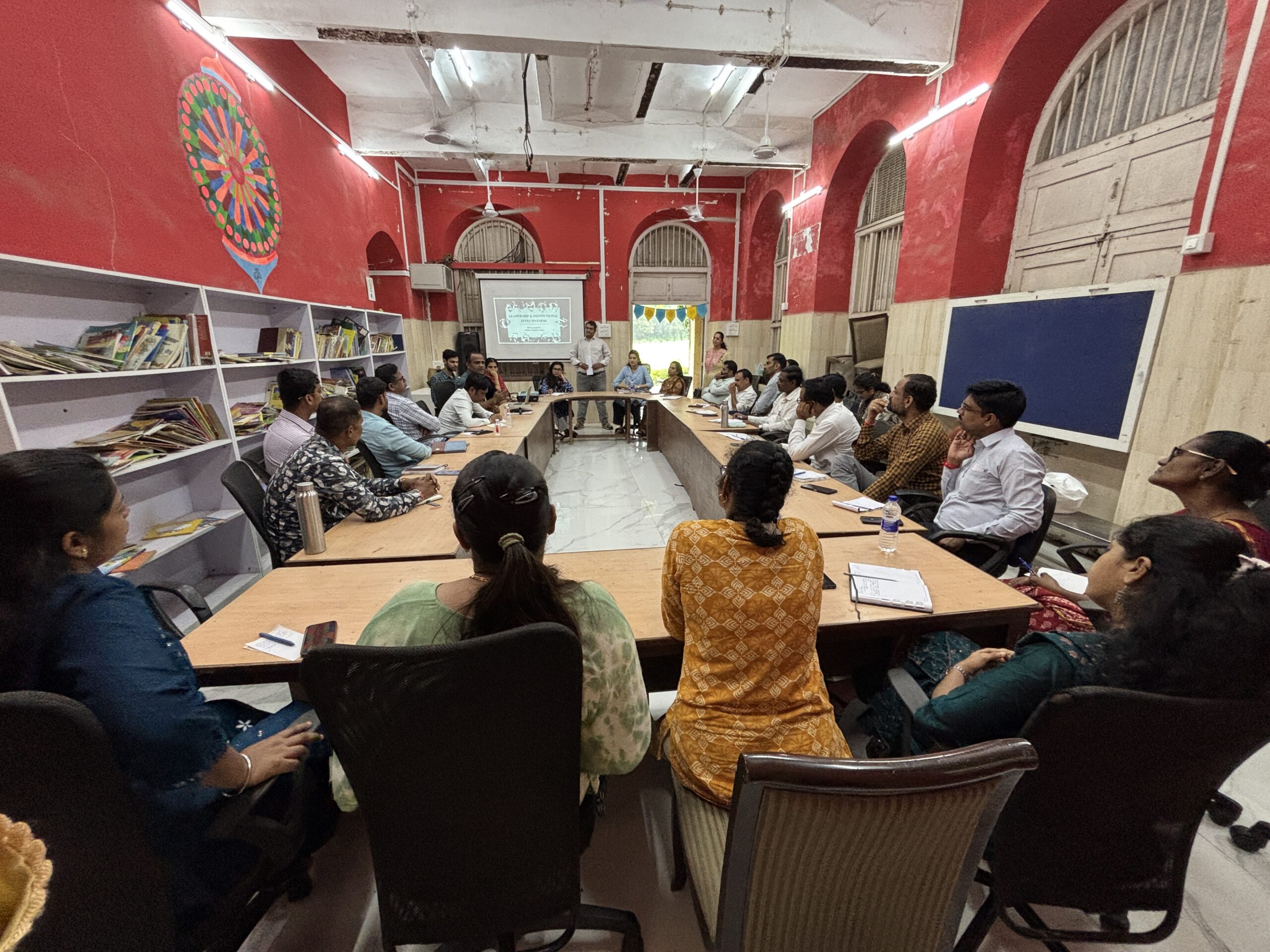
After lunch, Bhavsar Sir facilitated a short session where participants shared their real-life experiences from their work.

The tone was different from the morning.

There was less emphasis on concepts and more space for conversation.

Listening to these experiences reminded us that frontline workers carry knowledge that comes not only from formal training, but also from years of being present in communities and responding to real situations.

The day was becoming less about delivering a training programme and more about creating a space where people could talk, listen, reflect and feel heard.

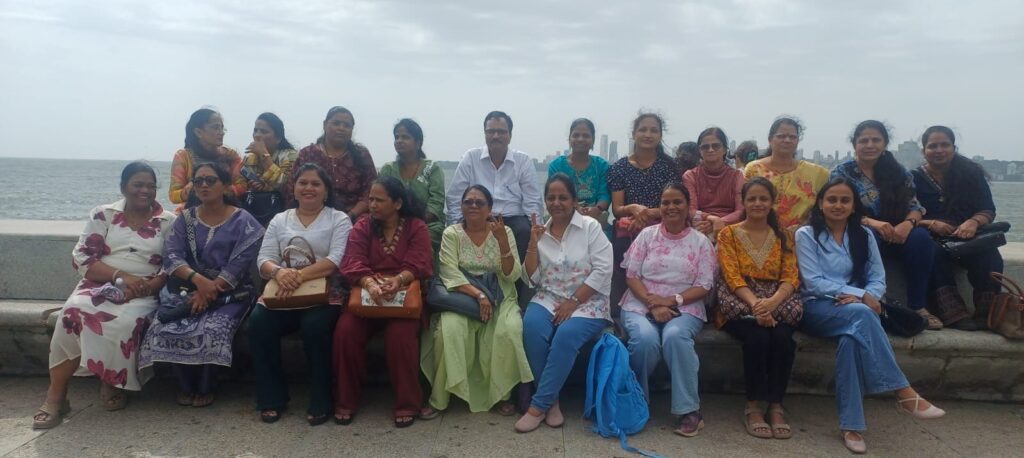
And then, the sea… When the formal sessions ended, the day still had one final experience waiting Marine Drive.

The participants spent some time by the sea, enjoying the breeze and the view. After a day of conversations, activities, laughter and reflection, the sea offered a quiet ending.

For many of us involved in organising the session, this moment captured something that had been visible throughout the day. The happiness was not only about the training,it was also about having a day away from the usual routine.

A day to sit with colleagues.

A day to laugh.

A day to learn something new.

A day to share experiences.

A day to breathe.

What We Took Away

We often think about capacity building in terms of knowledge, skills and professional development. This session reminded us that there is another important part of capacity building — recognition.

People who spend their working lives caring for children, supporting families and serving communities also need spaces where they themselves can feel valued, heard and encouraged. The 17 Sevika and Nodal Sevika arrived carrying the responsibilities of their homes and their work.

Sometimes, creating a meaningful learning space is not only about what people take home with them. It is also about how they feel.

Share the Post:

Stay in touch! Subscribe to new blog posts:

More Stories