
One team moved quickly. They made almost no mistakes. But only two people were actually involved in communicating the instructions.
The second team was slower, made mistakes and even changed leaders midway.
Yet almost everyone in the team was involved. Both teams had the same task. Both had planned before they began. But the way they communicated made their experiences completely different.
This simple activity became a way of looking at something much more complex: what happens when communication has to move through a system?
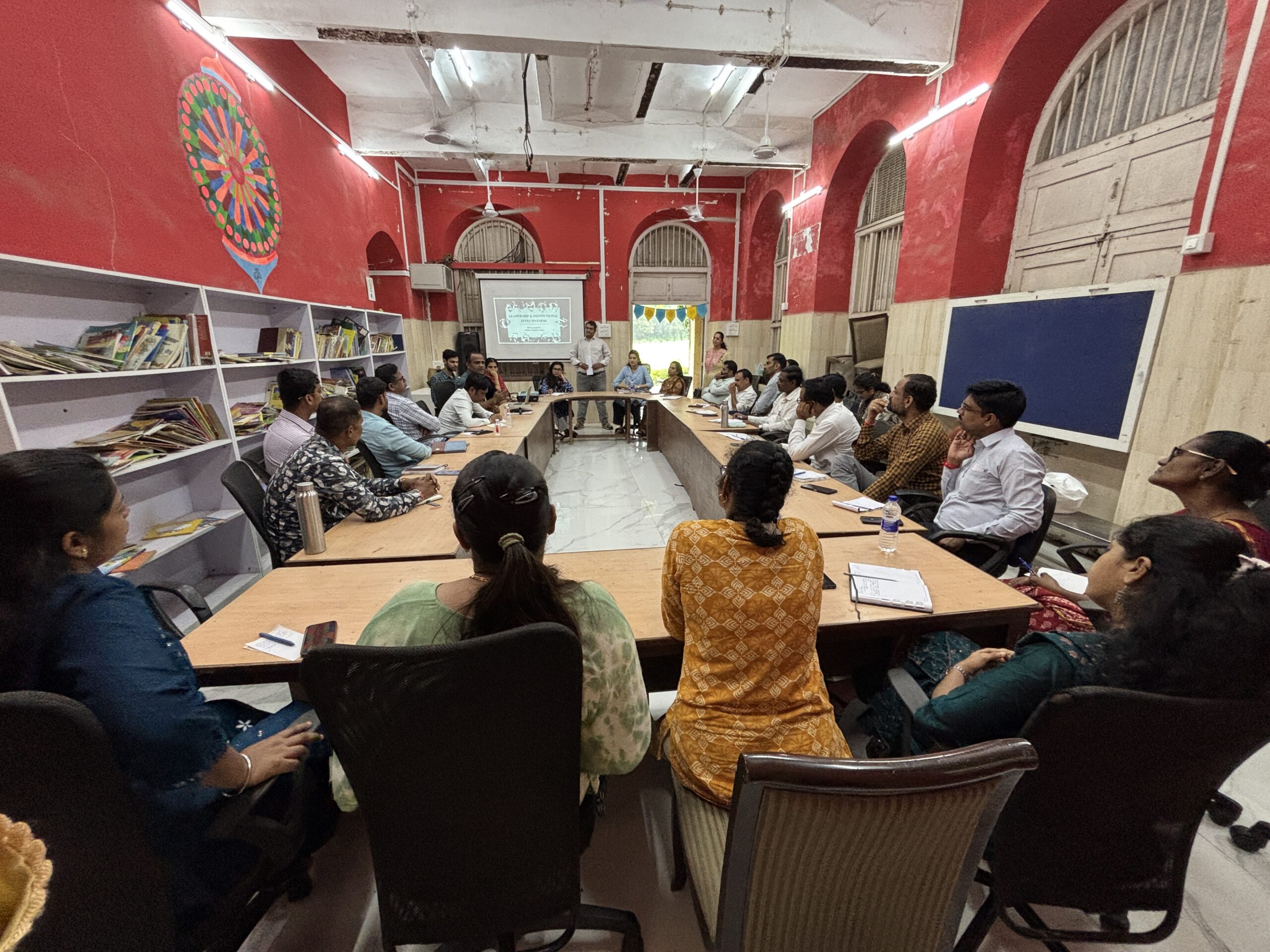
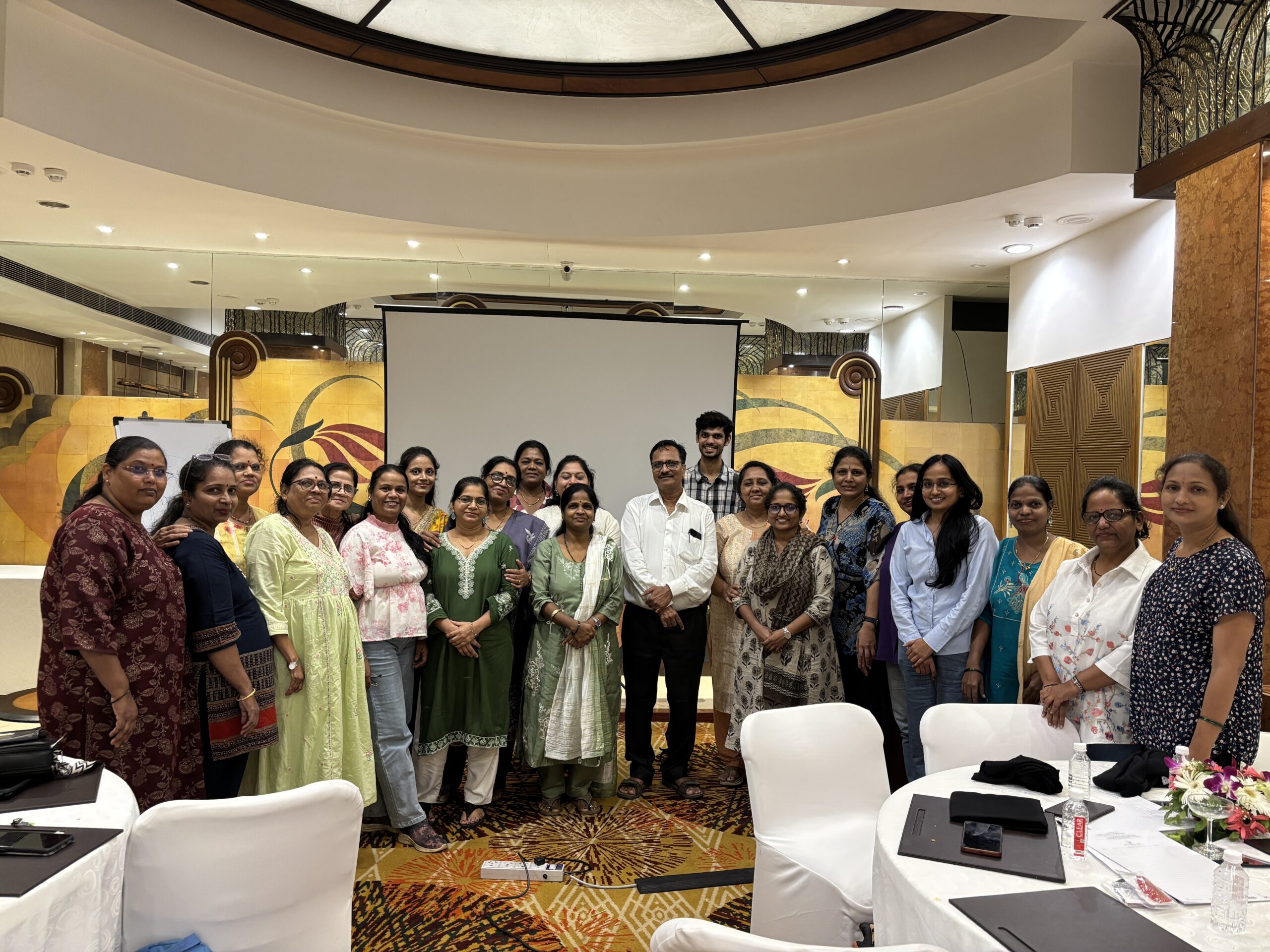
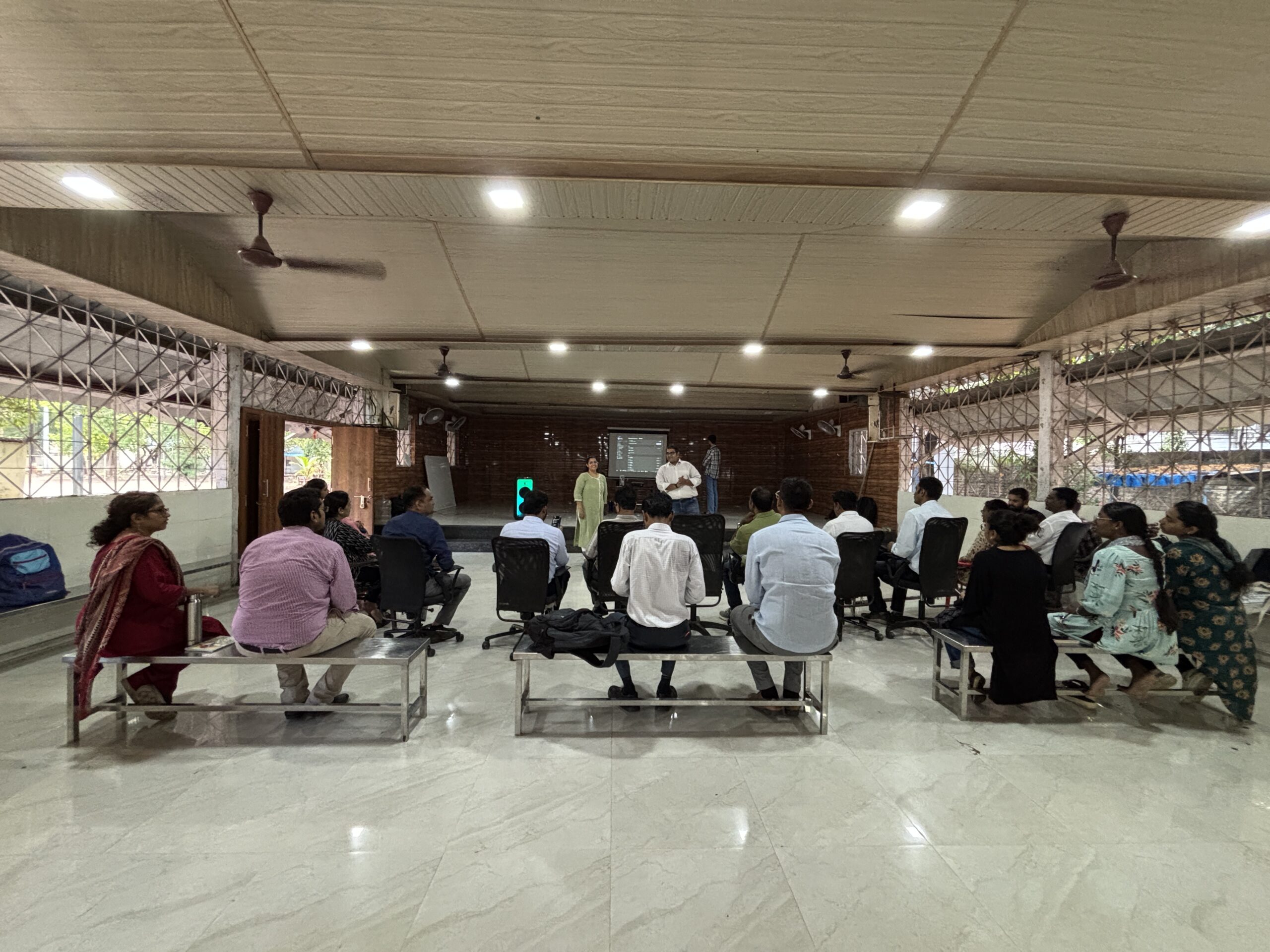
On 3rd September, Seedling Foundation conducted a staff training session with the Children’s Aid Society (CAS) on Leadership, System and Procedures. Superintendents, Probation Officers, clerical and central office staff, and the Seedling Foundation team came together for a day that was all about discussions and practical learnings.
An Impromptu Discussion
The session started with Apoorva Luthiya inviting Rahul Kanthikar Sir, Superintendent of Chembur Children’s Home, to speak about leadership, and what followed was an impromptu discussion about the challenges of working with the Homes.
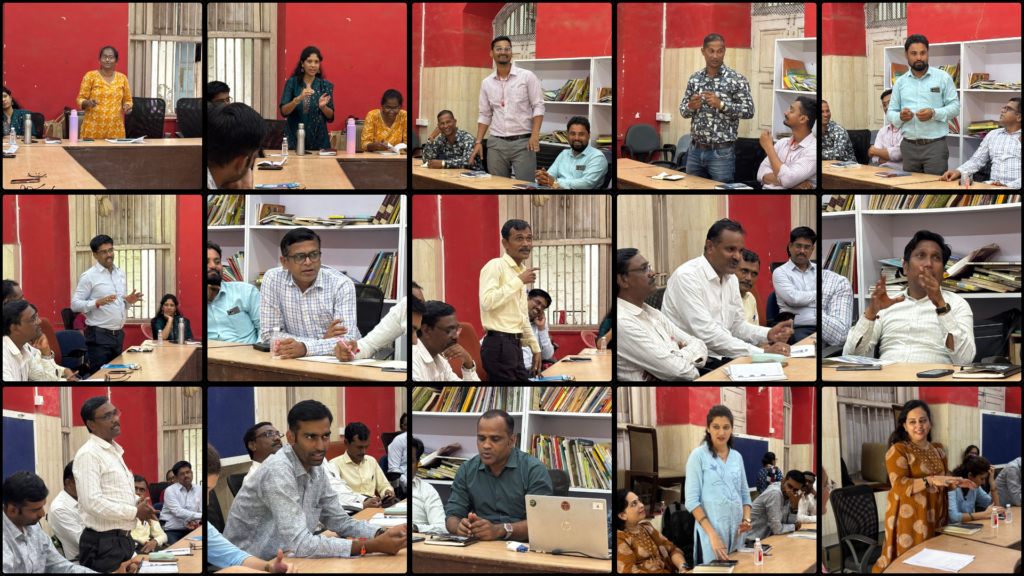
Participants shared openly about the challenges they encounter on a regular basis. For a group meeting the facilitators for only the second time, this level of openness was significant. It showed that the training had become more than a space where facilitators spoke and participants listened. It had become a space where people could bring their own experiences into the room.
Perhaps this openness came from the impact of the previous session. Perhaps it was the way the facilitators created the space. Or perhaps it was simply that participants were ready to have the conversation. Whatever the reason, the discussion allowed the session to move beyond ideas of what a well-functioning system should look like and towards the realities of what it takes to make one work.
A New Perspective
In one activity, participants had to solve a problem using limited resources while one person documented the process so that the solution can be replicated by another team. The teams became deeply involved in finding a solution. But they eventually ran out of time to test whether the documentation they had created was actually useful to someone else. This reflected that a process is not effective simply because it has been documented. It needs to be clear enough to be understood and practical enough to be used.
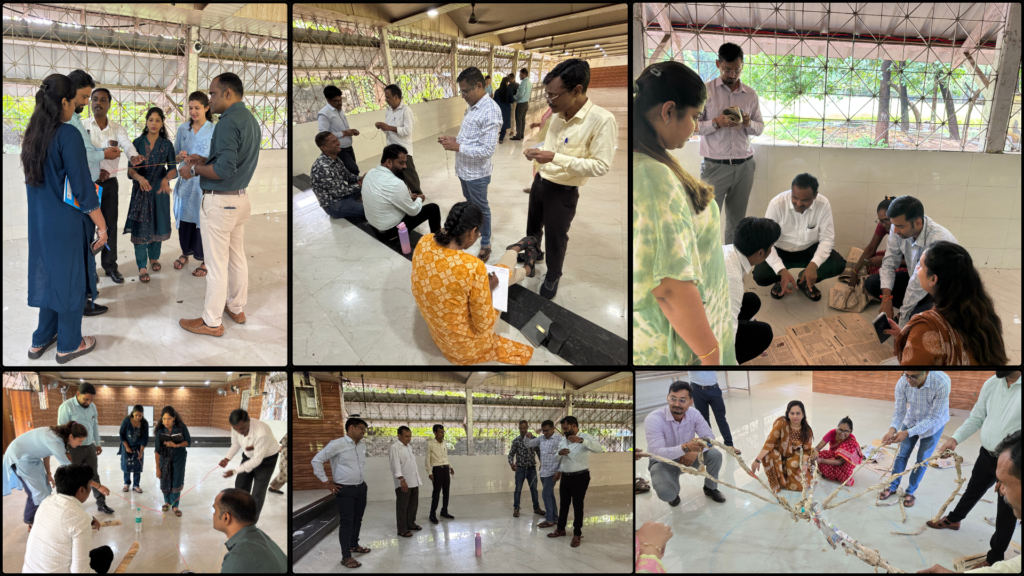
A similar insight came from a real experience shared by Kanthikar Sir. He spoke about recently ensuring that the registers at his Home were maintained properly and on time. It had initially felt like tiring, bureaucratic work. But when an audit was scheduled, the impact of that effort became clear. There was less stress among the staff because the records were already in place.
These examples helped shift the conversation around procedures. Procedures are not only about compliance or paperwork. When they are understood and consistently followed, they can bring clarity, reduce last-minute pressure and help a team function with greater confidence.
What the Blindman Bus Revealed
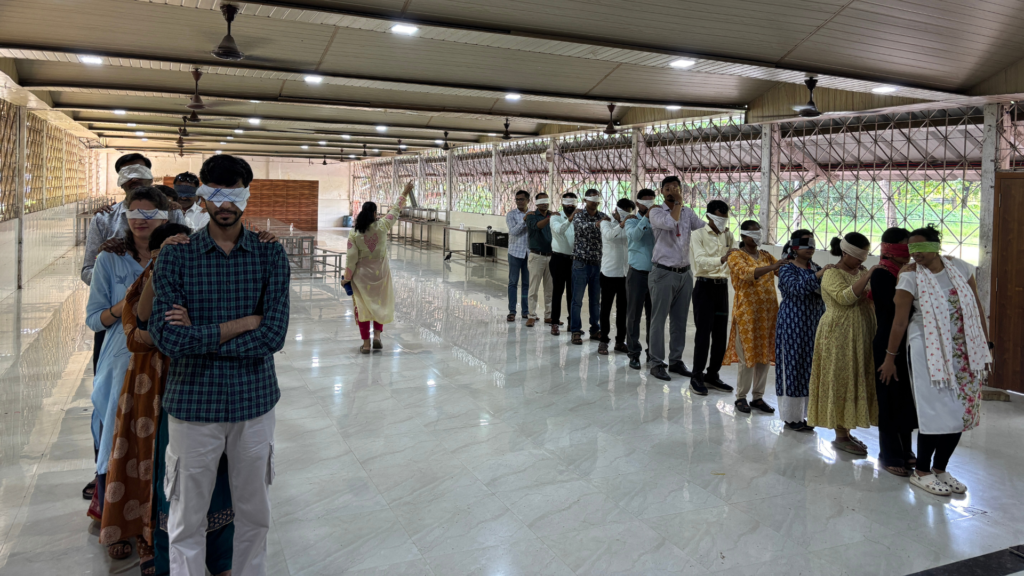
In the Blindman Bus activity, participants were divided into two teams and lined up, with everyone blindfolded except the last person in the queue, who played the role of the bus driver. No one was allowed to speak, and only the bus driver was told what the team needed to do. The challenge was to guide the team using non-verbal instructions alone.
One team was fast because the communication was concentrated between a few people. The other team was slower because the message travelled through the whole group. The second team’s experience was closer to what communication often looks like in an institution. Information moves through different people and different levels. There can be delays, gaps and misunderstandings.
Leadership is not only about giving directions. It is about creating clarity, building coordination, listening to what is happening on the ground and ensuring that people understand the larger purpose of their work. Clear processes can help turn that shared understanding into consistent action.
A Space to Participate
Participants remembered ideas from the previous training and brought them into the new discussions. During the activities, they were fully engaged in their roles. Once some teams completed their tasks, participants went across to help other teams as well.
The Seedling Foundation team participated alongside them throughout the day, rather than remaining only in the role of facilitators.
The result was a training space that felt increasingly collaborative. People were not only receiving information; they were testing ideas, sharing experiences, observing one another and reflecting on how their everyday work connects to the larger functioning of the Home.
For Seedling Foundation, capacity building within the child protection system is not only about giving staff new information. It is also about creating opportunities for people within the system to pause, reflect and examine how they work together.
The session brought together three closely connected ideas: leadership, systems and participation.
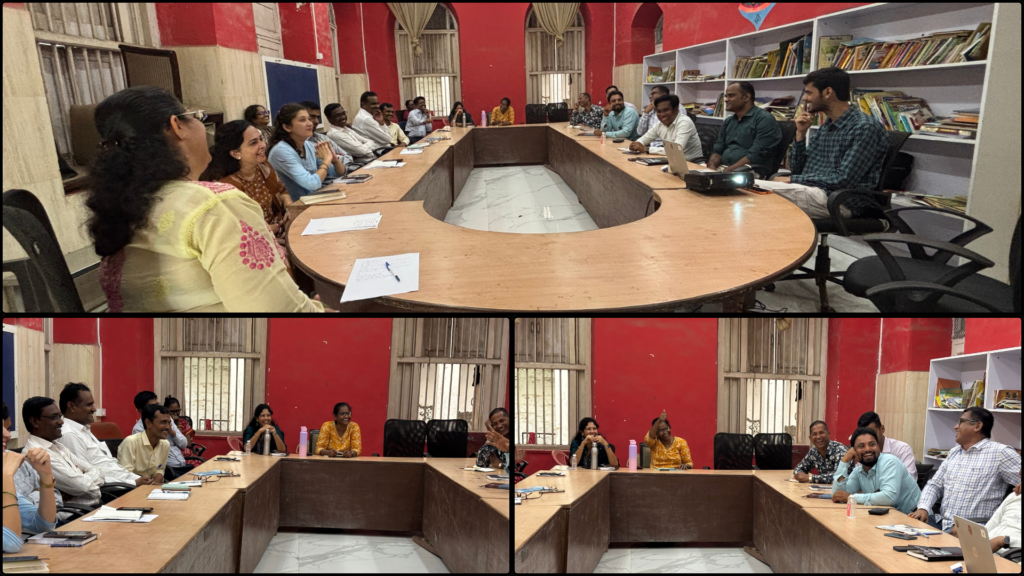
A leader may have a vision, but that vision needs to travel through people. A procedure may exist, but it needs to work in practice. And a system may have many people within it, but they need enough clarity and connection to move towards a common purpose.
The Blindman Bus began as a simple activity. Yet by the end of the session, it had become a reflection of something much larger.
How we communicate. How we lead. How we build processes. And how we involve the people who make the system work.
These may seem like everyday questions, but strengthening the everyday is an important part of strengthening the system itself.