
Dear Reader,
About a month back, we shared the story of one of the mothers that we are supporting through our rehabilitation program. Today, we would like to share an update on our work with her family, along with a few more glimpses into what we have been learning through our rehabilitation work.
Our Work with the Family So Far
- Conducted counselling sessions with the mother
- Provided a ration kit to the family
- Enrolled Aryan in a night school so he could continue his education
- Provided an interest free loan of ₹30,000 to help the family manage their immediate financial difficulties and repay a high interest debt.
What We’ve Been Working On
Case Studies
We would highly encourage you to read through the two case studies below. Each one offers a glimpse into the realities that children and families face, and the many layers that make rehabilitation complex. More importantly, they show why this work is needed and why meaningful rehabilitation requires us to look beyond the child and understand the larger context around them.
Case Study – A Family in Distress
Kabir (name changed) comes from a family of 7, consisting of his parents and four sisters. Read more about a families challenges and complexities.
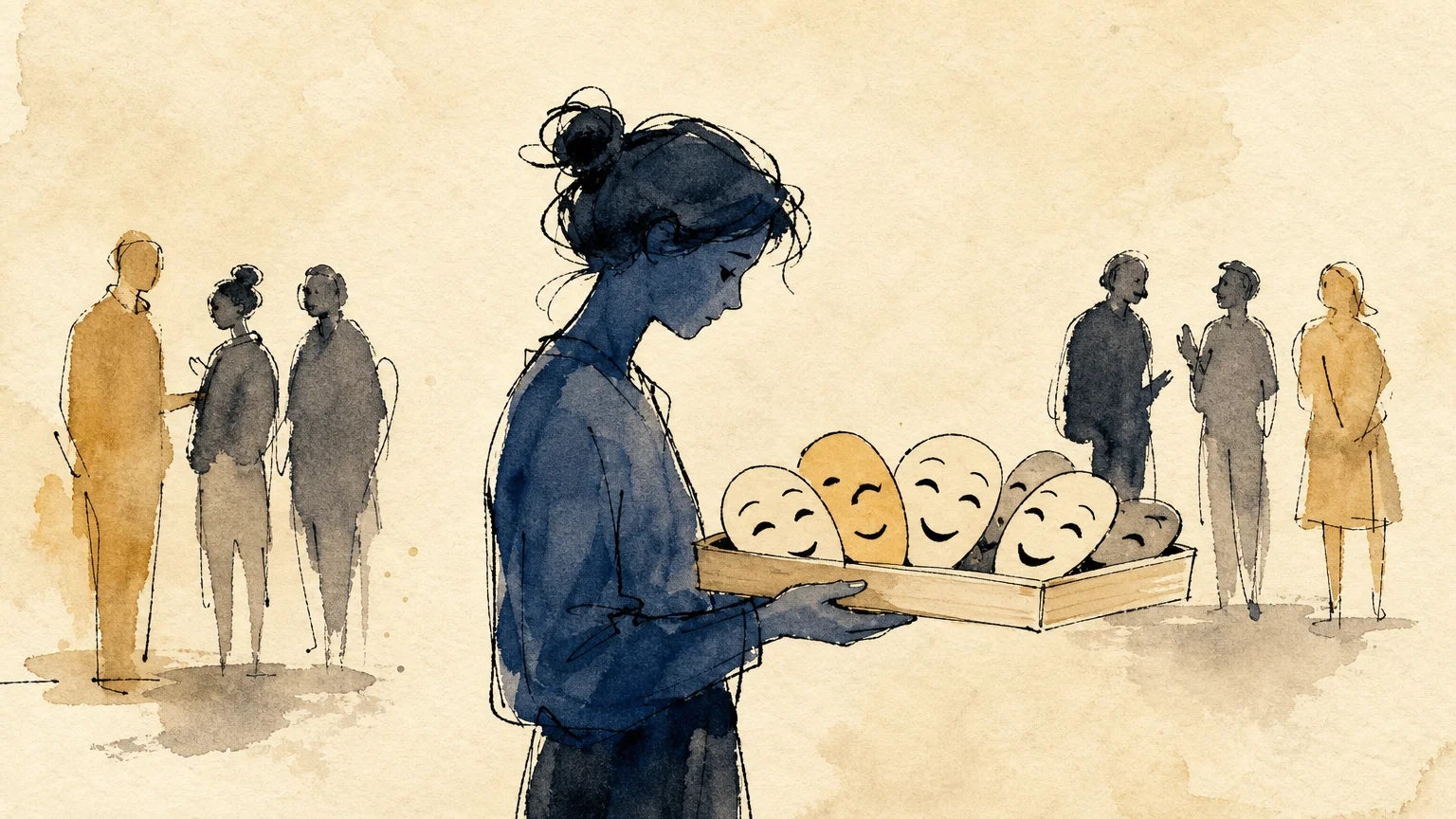
Case Study – A Mother ’s Battle
Rahul’s (name changed) mother is the sole caregiver for her three sons and a daughter-in-law. Read more about her journey and challenges she faces

Working with Police Escorts and Police Stations
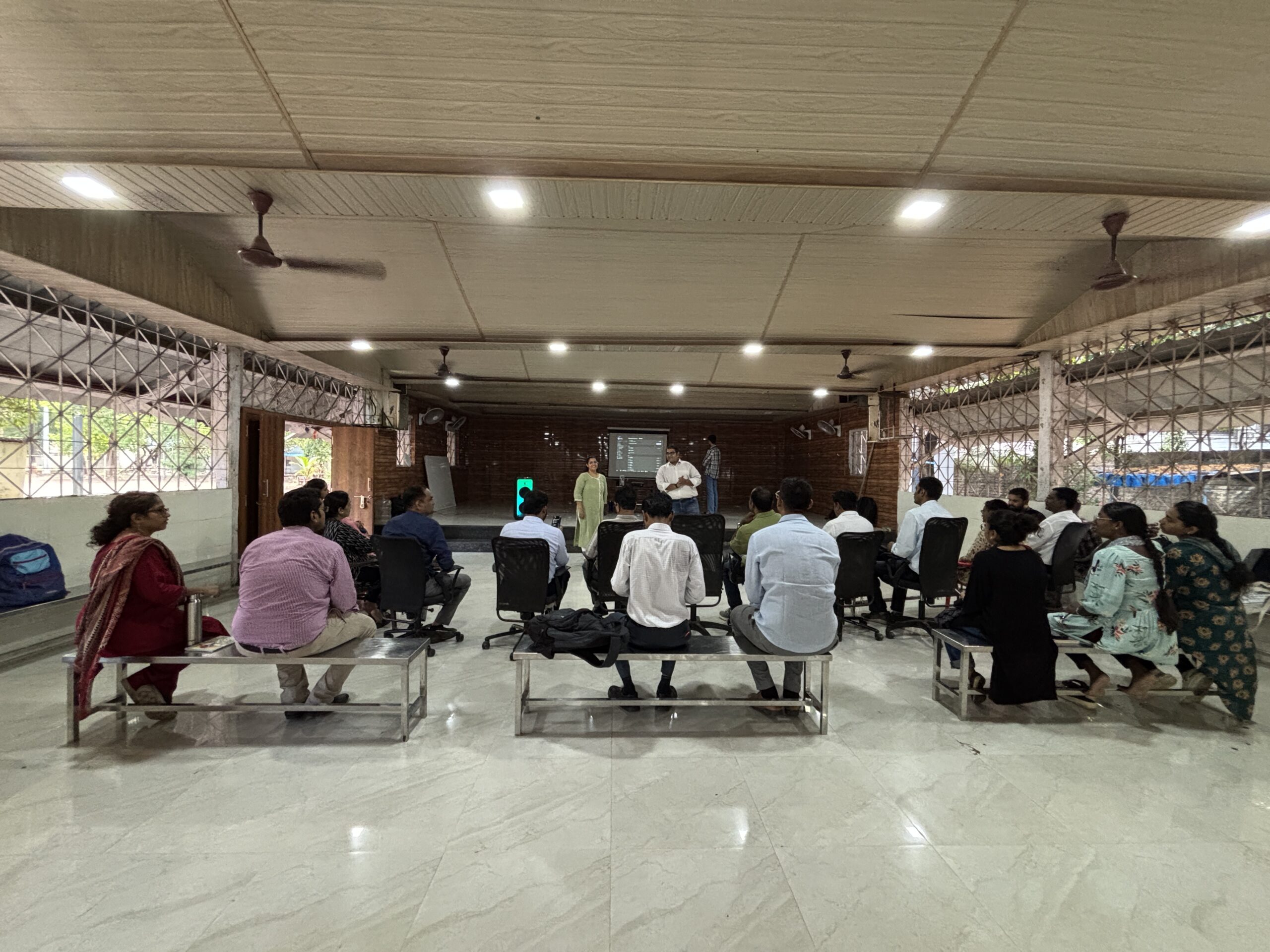
As we continue our work with Children in Conflict with the Law at Dongri, we realised that there was one important group of stakeholders we had not yet meaningfully engaged with: police escorts and the police stations they come from.
Police escorts are responsible for bringing children to the Observation Home and accompanying them to every court hearing. This means they interact with children and their families regularly and have their own experiences, observations, and perspectives on the process.
Yet, they are a relatively invisible part of the system. Their role is largely limited to their assigned duties, and there is very little space for conversation around their experiences, ideas, or challenges.
This month, we initiated conversations with police escorts to better understand their perspective and begin building a relationship with them. In the months ahead, we hope to work more closely with them and explore how they can become a more active part of the rehabilitation and reintegration process.
As an extension of this work, we also plan to connect with police stations to better understand what happens at the initial stages of a child’s journey through the system. We hope these conversations will help us understand the process better, identify areas where support may be useful, and bring another important stakeholder into the larger conversation around rehabilitation.
One Insight from the Ground
The more we work within the system, the more we realise how many people are part of a child’s journey without necessarily seeing themselves as part of the rehabilitation process.
Every stakeholder has a different role, perspective, and set of challenges. Some may have very limited interaction with the child, while others may interact with them repeatedly. We are beginning to see that understanding these different perspectives is an essential part of rehabilitation.
A Question We’re Sitting With
What does it really mean to involve every stakeholder in rehabilitation, beyond simply asking for their cooperation?
An Invitation
As we continue to understand the ecosystem around rehabilitation, we are also looking to connect with organisations working in related areas that could support the children and families we work with.
If you know of such an organisation, we would be grateful if you could share their details—including name, location, and area of work—through this form.
Thank you for continuing to read, reflect, and stay connected with us.
Planting Seeds of Transformation,
Seedling Foundation
Why This Newsletter Exists
We believe this work is incomplete without society’s awareness and participation. This space is for sharing our work, approach, and learnings, including insights, questions, and challenges, and for building a thoughtful community around this often unseen area of work.